
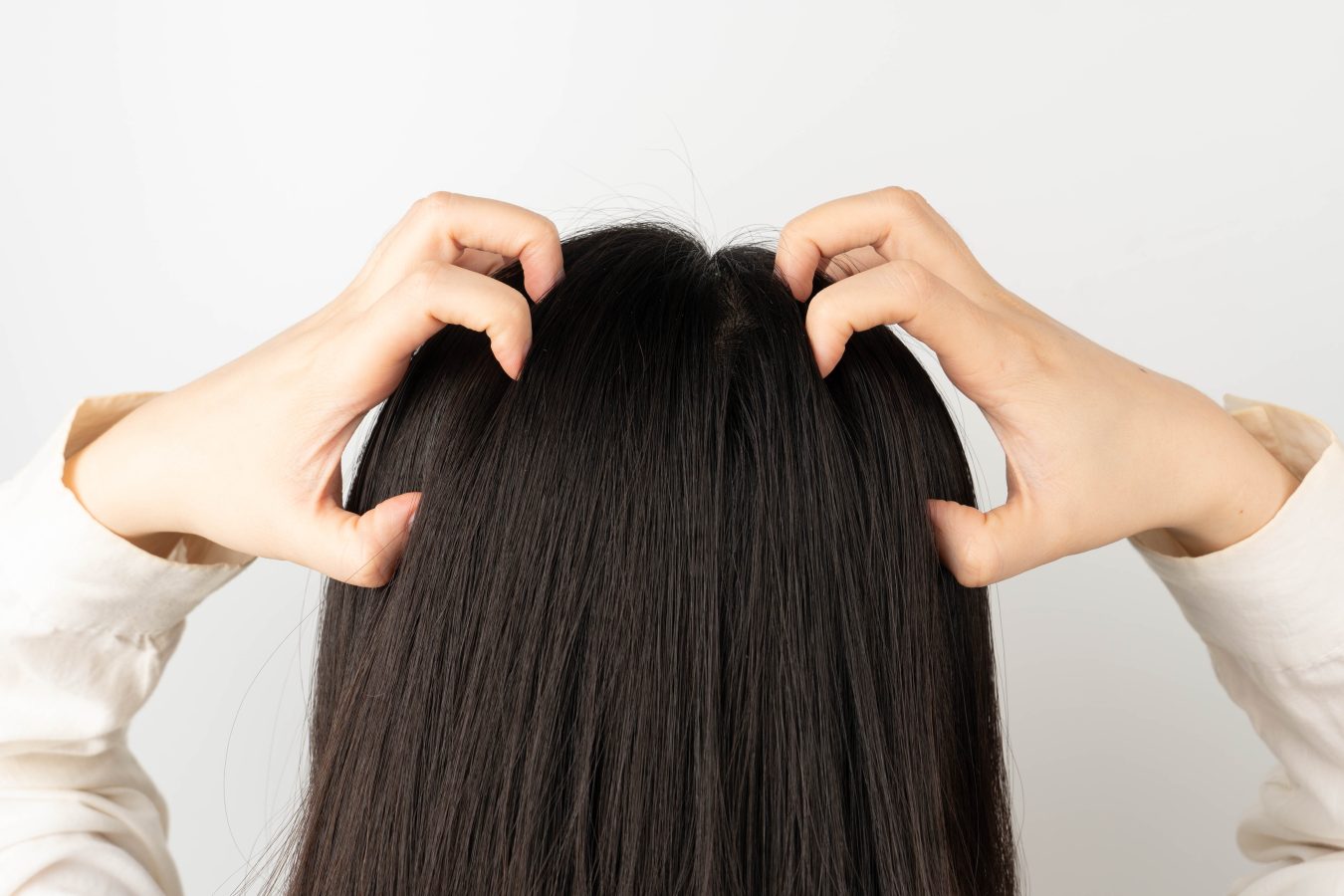
If you’ve ever experienced itchy scalp, redness, or swelling after coloring your hair, you might have a hair dye allergy. Some chemicals in hair dye are known to cause contact dermatitis or even more severe allergic reactions. Let’s explore the most common culprits, symptoms, and how to avoid reactions.
Common Ingredients That Cause Hair Dye Allergies
- Para-Phenylenediamine (PPD) (The #1 Offender!)
✔️ Found in most permanent and dark-colored dyes.
✔️ Can cause itching, redness, swelling, and blisters on the scalp, face, or neck.
✔️ Often leads to delayed reactions, appearing hours to days after use.
✔️ Present in both at-home and salon hair dyes.
- Ammonia & Hydrogen Peroxide
✔️ Used to lighten hair and allow dye penetration.
✔️ Can cause scalp irritation, burning, and dryness.
✔️ More common in bleaching agents and high-lift colors.
- Resorcinol
✔️ Helps activate color in hair dye formulas.
✔️ May cause skin irritation, redness, or respiratory reactions.
✔️ Found in permanent and semi-permanent dyes.
- Parabens & Fragrances
✔️ Used as preservatives to extend shelf life.
✔️ Can cause allergic reactions in sensitive individuals.
✔️ Common in shampoos, conditioners, and styling products too.
Symptoms of a Hair Dye Allergy
🚨 Mild Reactions:
- Itchy, red scalp
- Burning or tingling sensation
- Swelling around the hairline or ears
⚠️ Severe Reactions (Seek Medical Help Immediately!):
- Facial swelling (especially around the eyes or lips)
- Trouble breathing
- Widespread rash or blistering
How to Avoid Hair Dye Reactions
✔️ Do a patch test – Apply a small amount behind your ear 48 hours before use.
✔️ Choose PPD-free & ammonia-free dyes – Look for plant-based or hypoallergenic formulas.
✔️ Opt for semi-permanent or natural dyes – Henna, indigo, and vegetable-based dyes are safer alternatives.
✔️ Wear gloves and apply petroleum jelly – Protect your skin from dye exposure.
✔️ Visit an allergist for patch testing – If you’ve had a reaction, an allergy test can identify the culprit.
FAQ: Hair Dye Allergies
Q: Can I be allergic to only certain hair colors?
A: Yes! Darker dyes contain more PPD, making them more allergenic.
Q: Are salon dyes safer than box dyes?
A: Not necessarily. Many salon dyes contain the same allergens as at-home kits.
Q: Can I develop a hair dye allergy over time?
A: Yes! Repeated exposure to PPD increases sensitivity, meaning even mild past reactions can worsen.
A Personal Story
One of my patients, Sarah, used the same dark brown box dye for years. She had always had a rash on the area of her skin where she wore dark suites. One day, she developed severe scalp swelling and a rash around her eyes. Allergy testing confirmed a PPD allergy. She now uses PPD-free dyes and hasn’t had a reaction since!
The Bottom Line
Hair dye allergies are common, but choosing the right products and patch testing before use can prevent severe reactions. If you’ve had symptoms, consider PPD-free, ammonia-free, or natural hair dyes—your scalp will thank you!
What are you waiting for? If you or your child need help controlling allergies or if you think you need testing or treatment or that you might be a good candidate for allergy shots, Dr. Wendt and her team staff at Relieve Allergy, Asthma & Hives would love to help. Call for testing or treatment today!
Call 480-500-1902 or request an appointment at https://relieveallergyaz.com/contact now! Begin your allergy testing journey with Dr. Wendt at Relieve Allergy in Scottsdale, Arizona—It’s time to take care of yourself!
Learn more about Dr. Wendt and Relieve Allergy Asthma & Hives at www.relieveallergyaz.com or connect with us: https://www.facebook.com/RelieveAllergy/, https://www.linkedin.com/in/julie-wendt/, https://x.com/RelieveAllergy, https://www.instagram.com/relieve_allergy/ or https://www.youtube.com/@JulieWendt-qx7jm.
Did you know? Dr. Wendt wrote the book on allergies. Buy it NOW!
Relieve Allergy Asthma & Hives is located near Kierland Commons, 21803 N. Scottsdale Road Ste. 200, and has convenient evening and morning hours to accommodate your schedule. Dr. Wendt is also available for telemedicine appointments as appropriate. Most insurance plans are accepted.
DISCLAIMER: This blog is not meant to substitute for medical care by an Allergist-Immunologist nor is it intended to provide medical advice or imply a Physician-Patient relationship with its readers or their family. It is intended to provide guidance, direction, and moral support from someone experienced in testing and treating allergies. This is also not meant to be a “do-it-yourself” manual or a “how to” overcome your allergies. Some of the issues mentioned, whether allergic or look-a-like, can be dangerous or if left unchecked, deadly. Please develop a relationship with a Physician you trust to help you with diagnosis, advice, questions, and treatment regarding your and your family’s medical conditions.
Share this post. Choose your platform:
Search Blog & Pages
Recent Posts