
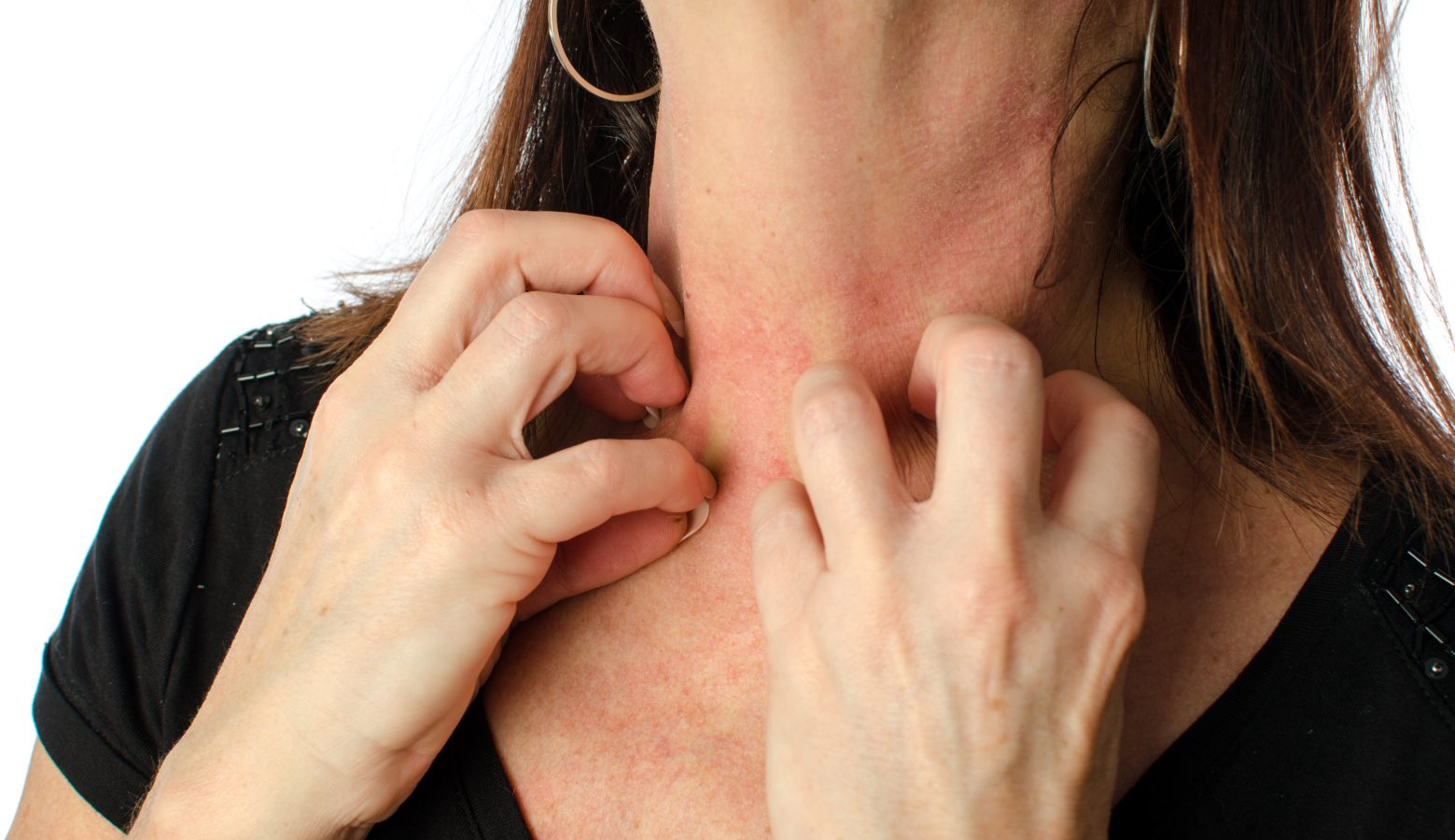
If you experience itchy skin, headaches, sneezing, or breathing issues after using scented products, you may have a fragrance allergy or sensitivity. But did you know that even products labeled “unscented” can still contain hidden fragrance chemicals? Here’s what you need to know about fragrance allergies and how to truly avoid irritating ingredients.
What Is a Fragrance Allergy?
✔️ A fragrance allergy is a reaction to chemicals used in perfumes, lotions, detergents, and household products.
✔️ Symptoms include skin irritation (contact dermatitis), respiratory issues, headaches, or migraines.
✔️ Over 3,000 fragrance chemicals are used in products, many of which can trigger reactions.
‘Unscented’ vs. ‘Fragrance-Free’: What’s the Difference?
🚨 Unscented – May still contain fragrance chemicals to neutralize odors, making them misleading for sensitive individuals.
✅ Fragrance-Free – Does not contain added fragrance, making it a safer choice for allergy sufferers.
Common Symptoms of Fragrance Allergies
- Skin reactions – Redness, itching, eczema-like rashes.
- Respiratory issues – Wheezing, shortness of breath, nasal congestion.
- Eye irritation – Burning, watery, or itchy eyes.
- Headaches & migraines – Triggered by strong or synthetic scents.
Everyday Products That Contain Hidden Fragrances
- Lotions and moisturizers
- Shampoos and conditioners
- Laundry detergents and fabric softeners
- Cleaning products and air fresheners
- Makeup and skincare items
- Candles and essential oils
How to Avoid Hidden Fragrance Irritants
✔️ Look for “fragrance-free” labels, not just “unscented.”
✔️ Check ingredient lists for terms like “parfum,” “aroma,” or “essential oil blend.”
✔️ Choose natural alternatives like baking soda, vinegar, or fragrance-free skincare.
✔️ Test new products on a small patch of skin before full use.
✔️ Avoid air fresheners and scented candles if you have respiratory symptoms.
FAQ: Fragrance Allergies
Q: Can essential oils cause allergic reactions?
A: Yes! Even natural fragrances like lavender or citrus can be irritating to sensitive individuals.
Q: Are hypoallergenic products safe?
A: Not always—“hypoallergenic” is not regulated, so check the ingredient list.
Q: What should I do if I have a reaction?
A: Wash the area with mild soap and water, apply fragrance-free moisturizer, and take an antihistamine if needed.
A Personal Story
One of my patients, Emma, struggled with eczema and migraines for years. After switching to fragrance-free laundry detergent, skincare, and cleaning products, her symptoms improved dramatically. She was shocked to learn that “unscented” didn’t mean safe!
The Bottom Line
If you have fragrance allergies or sensitivities, always choose fragrance-free over unscented and carefully check labels. Small changes in your daily routine can help reduce irritation and improve your quality of life!
What are you waiting for? If you or your child need help controlling allergies or if you think you need testing or treatment or that you might be a good candidate for allergy shots, Dr. Wendt and her team staff at Relieve Allergy, Asthma & Hives would love to help. Call for testing or treatment today!
Call 480-500-1902 or request an appointment at https://relieveallergyaz.com/contact now! Begin your allergy testing journey with Dr. Wendt at Relieve Allergy in Scottsdale, Arizona—It’s time to take care of yourself!
Learn more about Dr. Wendt and Relieve Allergy Asthma & Hives at www.relieveallergyaz.com or connect with us: https://www.facebook.com/RelieveAllergy/, https://www.linkedin.com/in/julie-wendt/, https://x.com/RelieveAllergy, https://www.instagram.com/relieve_allergy/ or https://www.youtube.com/@JulieWendt-qx7jm.
Did you know? Dr. Wendt wrote the book on allergies. Buy it NOW!
Relieve Allergy Asthma & Hives is located near Kierland Commons, 21803 N. Scottsdale Road Ste. 200, and has convenient evening and morning hours to accommodate your schedule. Dr. Wendt is also available for telemedicine appointments as appropriate. Most insurance plans are accepted.
DISCLAIMER: This blog is not meant to substitute for medical care by an Allergist-Immunologist nor is it intended to provide medical advice or imply a Physician-Patient relationship with its readers or their family. It is intended to provide guidance, direction, and moral support from someone experienced in testing and treating allergies. This is also not meant to be a “do-it-yourself” manual or a “how to” overcome your allergies. Some of the issues mentioned, whether allergic or look-a-like, can be dangerous or if left unchecked, deadly. Please develop a relationship with a Physician you trust to help you with diagnosis, advice, questions, and treatment regarding your and your family’s medical conditions.
Share this post. Choose your platform:
Search Blog & Pages
Recent Posts