
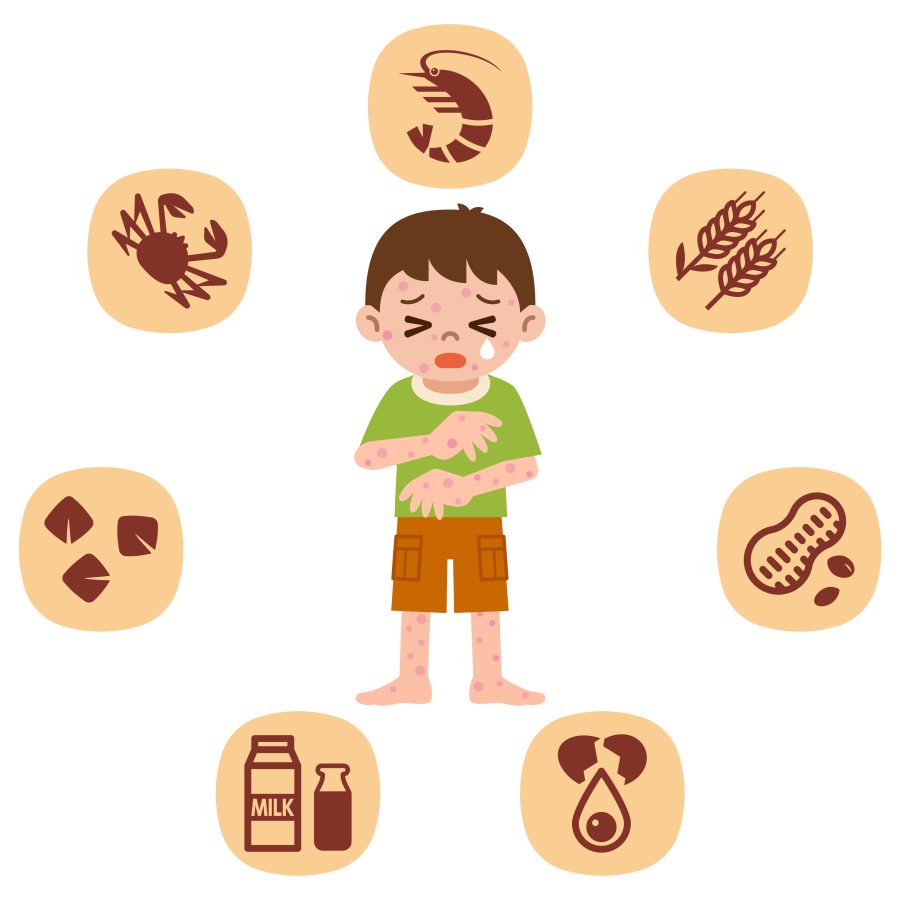
For people with severe allergies, anaphylaxis is a constant concern. While epinephrine remains the first-line treatment, exciting new research is exploring ways to prevent anaphylaxis before it happens. Let’s look at the latest advancements in allergy prevention and what they mean for high-risk individuals.
Cutting-Edge Research in Anaphylaxis Prevention
- Oral and Epicutaneous Immunotherapy (OIT & EPIT)
- Oral Immunotherapy (OIT): Small, gradually increasing doses of an allergen (like peanuts or milk) are given under medical supervision to build tolerance.
- Epicutaneous Immunotherapy (EPIT): Uses a patch to deliver tiny amounts of an allergen through the skin to train the immune system.
- Recent findings:
- OIT has been shown to reduce the severity of allergic reactions over time.
- The Viaskin® Peanut Patch (EPIT) has shown promise for peanut allergy desensitization, particularly in young children.
- Biologic Medications (Monoclonal Antibodies)
- Omalizumab (Xolair): Originally used for asthma, it’s now being studied for preventing severe allergic reactions in food allergy patients.
- Dupilumab (Dupixent): Being explored for its potential role in reducing food allergy severity.
- Recent findings:
- Studies show that omalizumab reduces allergic reaction severity, making accidental exposures less dangerous.
- The FARE-sponsored OUTMATCH trial is investigating its use for multiple food allergies.
- Pre-Exposure Prophylaxis for Anaphylaxis
- New research is testing whether certain medications (like omalizumab) can be used before accidental exposure to prevent severe reactions.
- Potential benefits: Could allow people with severe allergies to have a greater safety margin in case of accidental exposure.
- Mast Cell Stabilizers & Anti-Inflammatory Therapies
- Ketotifen, a mast cell stabilizer, is being studied for its potential to reduce allergic reactions.
- JAK inhibitors, used for inflammatory conditions, are being investigated for their role in reducing immune overreactions.
What This Means for People with Severe Allergies
✔️ More treatment options may soon be available to prevent severe allergic reactions.
✔️ Immunotherapy and biologics could help high-risk individuals develop greater tolerance to allergens.
✔️ New medications may reduce the risk of life-threatening reactions, offering peace of mind.
✔️ Early intervention for children may change the future of allergy management.
FAQ: New Anaphylaxis Prevention Strategies
Q: Are these treatments available now?
A: Some, like oral immunotherapy and omalizumab, are available under medical supervision, while others are still in clinical trials.
Q: Can these treatments replace epinephrine?
A: No! Epinephrine remains the only first-line treatment for anaphylaxis. These therapies aim to reduce reaction severity, not replace emergency treatment.
Q: Who is eligible for biologic therapy?
A: Right now, Xolair is approved for asthma and chronic hives, but studies are ongoing for food allergy prevention.
A Personal Story
One of my young patients, Liam, had severe peanut and tree nut allergies. His parents were constantly anxious about accidental exposures. After enrolling in an oral immunotherapy program, he developed enough tolerance to reduce his reaction severity—making accidental exposures much less frightening.
The Bottom Line
Research in anaphylaxis prevention is advancing rapidly. While these treatments aren’t a cure, they offer hope for high-risk individuals. If you or your child has severe allergies, talk to your doctor about the latest options and whether you may be a candidate for emerging therapies!
What are you waiting for? If you or your child need help controlling allergies or if you think you need testing or treatment or that you might be a good candidate for allergy shots, Dr. Wendt and her team staff at Relieve Allergy, Asthma & Hives would love to help. Call for testing or treatment today!
Call 480-500-1902 or request an appointment at https://relieveallergyaz.com/contact now! Begin your allergy testing journey with Dr. Wendt at Relieve Allergy in Scottsdale, Arizona—It’s time to take care of yourself!
Learn more about Dr. Wendt and Relieve Allergy Asthma & Hives at www.relieveallergyaz.com or connect with us: https://www.facebook.com/RelieveAllergy/, https://www.linkedin.com/in/julie-wendt/, https://x.com/RelieveAllergy, https://www.instagram.com/relieve_allergy/ or https://www.youtube.com/@JulieWendt-qx7jm.
Did you know? Dr. Wendt wrote the book on allergies. Buy it NOW!
Relieve Allergy Asthma & Hives is located near Kierland Commons, 21803 N. Scottsdale Road Ste. 200, and has convenient evening and morning hours to accommodate your schedule. Dr. Wendt is also available for telemedicine appointments as appropriate. Most insurance plans are accepted.
DISCLAIMER: This blog is not meant to substitute for medical care by an Allergist-Immunologist nor is it intended to provide medical advice or imply a Physician-Patient relationship with its readers or their family. It is intended to provide guidance, direction, and moral support from someone experienced in testing and treating allergies. This is also not meant to be a “do-it-yourself” manual or a “how to” overcome your allergies. Some of the issues mentioned, whether allergic or look-a-like, can be dangerous or if left unchecked, deadly. Please develop a relationship with a Physician you trust to help you with diagnosis, advice, questions, and treatment regarding your and your family’s medical conditions.
Share this post. Choose your platform:
Search Blog & Pages
Recent Posts