
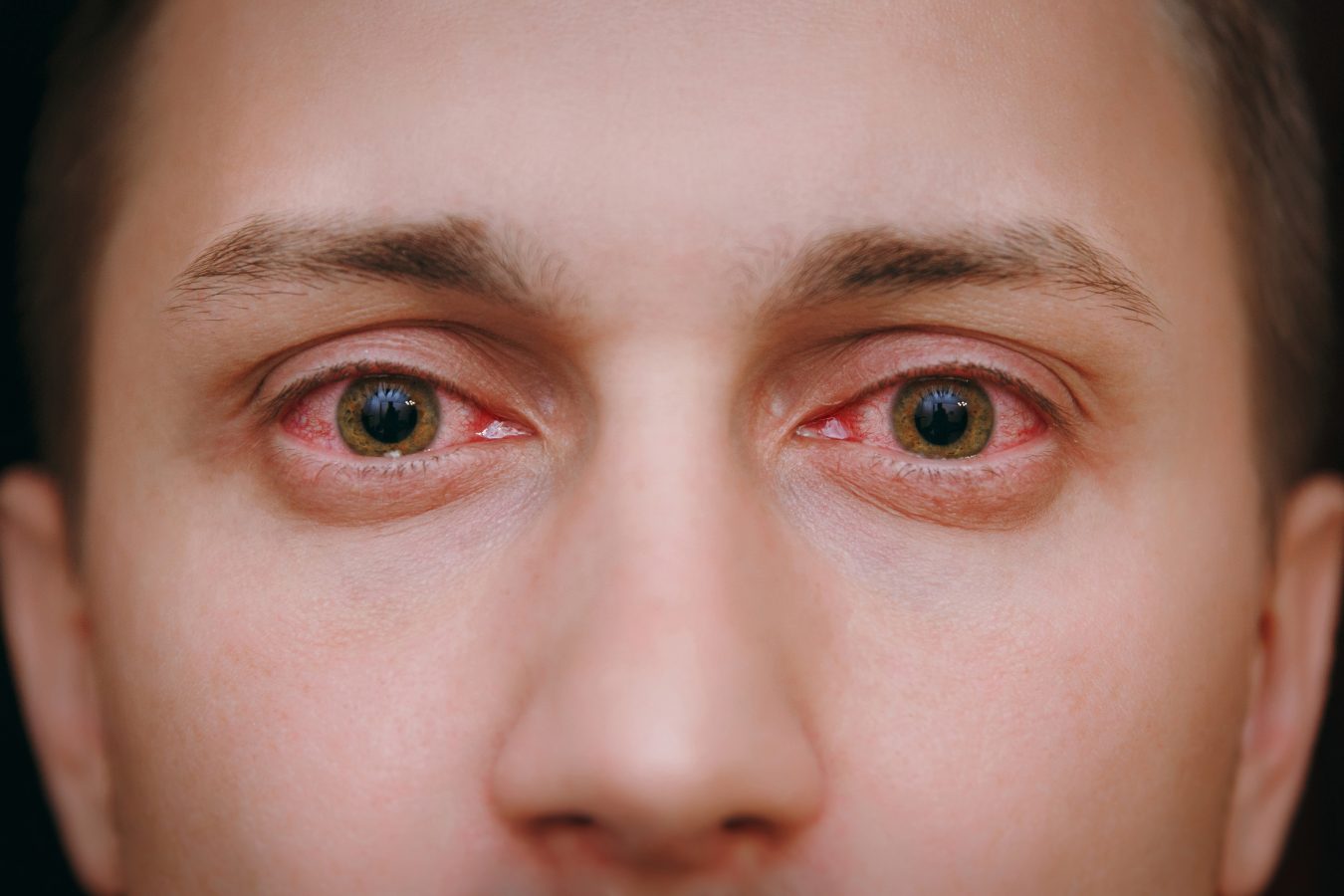
If you suffer from red, itchy, and watery eyes due to allergies, you know how frustrating it can be. While oral antihistamines help with sneezing and congestion, they often don’t provide enough relief for eye symptoms. That’s where antihistamine eye drops come in—targeting eye allergies right at the source. Let’s explore how they work and how to use them effectively.
How Do Antihistamine Eye Drops Work?
Antihistamine eye drops block histamine, the chemical responsible for allergy symptoms. By stopping histamine in the eyes, they reduce:
- Itching
- Redness
- Watering
- Swelling
Some antihistamine drops also have mast cell stabilizers, which prevent future allergic reactions before they start.
Types of Antihistamine Eye Drops
- Over-the-Counter (OTC) Drops:
- Ketotifen (Zaditor, Alaway) – Long-lasting relief with both antihistamine and mast cell-stabilizing effects.
- Olopatadine (Pataday, formerly prescription-only) – Comes in once-daily and twice-daily formulas.
- Naphazoline-Pheniramine (Visine-A, Opcon-A) – Reduces redness but can cause rebound irritation if overused.
- Prescription Drops:
- Azelastine (Optivar) – Provides fast relief for moderate to severe eye allergies.
- Epinastine (Elestat) – Helps prevent and relieve eye allergy symptoms.
- Bepotastine (Bepreve) – Targets both itching and inflammation effectively.
How to Use Antihistamine Eye Drops Properly
✔️ Wash hands before use to avoid contamination.
✔️ Tilt head back and pull down the lower eyelid to create a pocket for the drop.
✔️ Use one drop per eye (or as directed) and blink gently.
✔️ Wait at least 5 minutes before using other eye medications.
✔️ Remove contact lenses before applying and wait 10–15 minutes before reinserting them.
FAQ: Common Questions About Antihistamine Eye Drops
Q: Can I use antihistamine eye drops every day?
A: Yes! Many OTC options are safe for daily use, especially those with mast cell stabilizers.
Q: Do antihistamine eye drops work immediately?
A: Most provide relief within minutes, but the full effect may take a few days of consistent use.
Q: Are antihistamine eye drops better than oral antihistamines?
A: For eye symptoms, yes! Oral antihistamines can sometimes dry out the eyes, while eye drops directly target the problem.
A Personal Story
My patient, Rachel, relied on oral antihistamines for years but still had persistent itchy eyes. After switching to a daily antihistamine eye drop and placing her on allergy shots, her symptoms improved dramatically—no more constant rubbing or discomfort!
If allergies are making your eyes miserable, antihistamine eye drops can be a game-changer. Talk to your doctor about which one is best for you, and enjoy clearer, more comfortable eyes!
What are you waiting for? If you or your child need help controlling allergies or if you think you need testing or treatment or that you might be a good candidate for allergy shots, Dr. Wendt and her team staff at Relieve Allergy, Asthma & Hives would love to help. Call for testing or treatment today!
Call 480-500-1902 or request an appointment at https://relieveallergyaz.com/contact now! Begin your allergy testing journey with Dr. Wendt at Relieve Allergy in Scottsdale, Arizona—It’s time to take care of yourself!
Learn more about Dr. Wendt and Relieve Allergy Asthma & Hives at www.relieveallergyaz.com or connect with us: https://www.facebook.com/RelieveAllergy/, https://www.linkedin.com/in/julie-wendt/, https://x.com/RelieveAllergy, https://www.instagram.com/relieve_allergy/ or https://www.youtube.com/@JulieWendt-qx7jm.
Did you know? Dr. Wendt wrote the book on allergies. Buy it NOW!
Relieve Allergy Asthma & Hives is located near Kierland Commons, 21803 N. Scottsdale Road Ste. 200, and has convenient evening and morning hours to accommodate your schedule. Dr. Wendt is also available for telemedicine appointments as appropriate. Most insurance plans are accepted.
DISCLAIMER: This blog is not meant to substitute for medical care by an Allergist-Immunologist nor is it intended to provide medical advice or imply a Physician-Patient relationship with its readers or their family. It is intended to provide guidance, direction, and moral support from someone experienced in testing and treating allergies. This is also not meant to be a “do-it-yourself” manual or a “how to” overcome your allergies. Some of the issues mentioned, whether allergic or look-a-like, can be dangerous or if left unchecked, deadly. Please develop a relationship with a Physician you trust to help you with diagnosis, advice, questions, and treatment regarding your and your family’s medical conditions.
Share this post. Choose your platform:
Search Blog & Pages
Recent Posts