
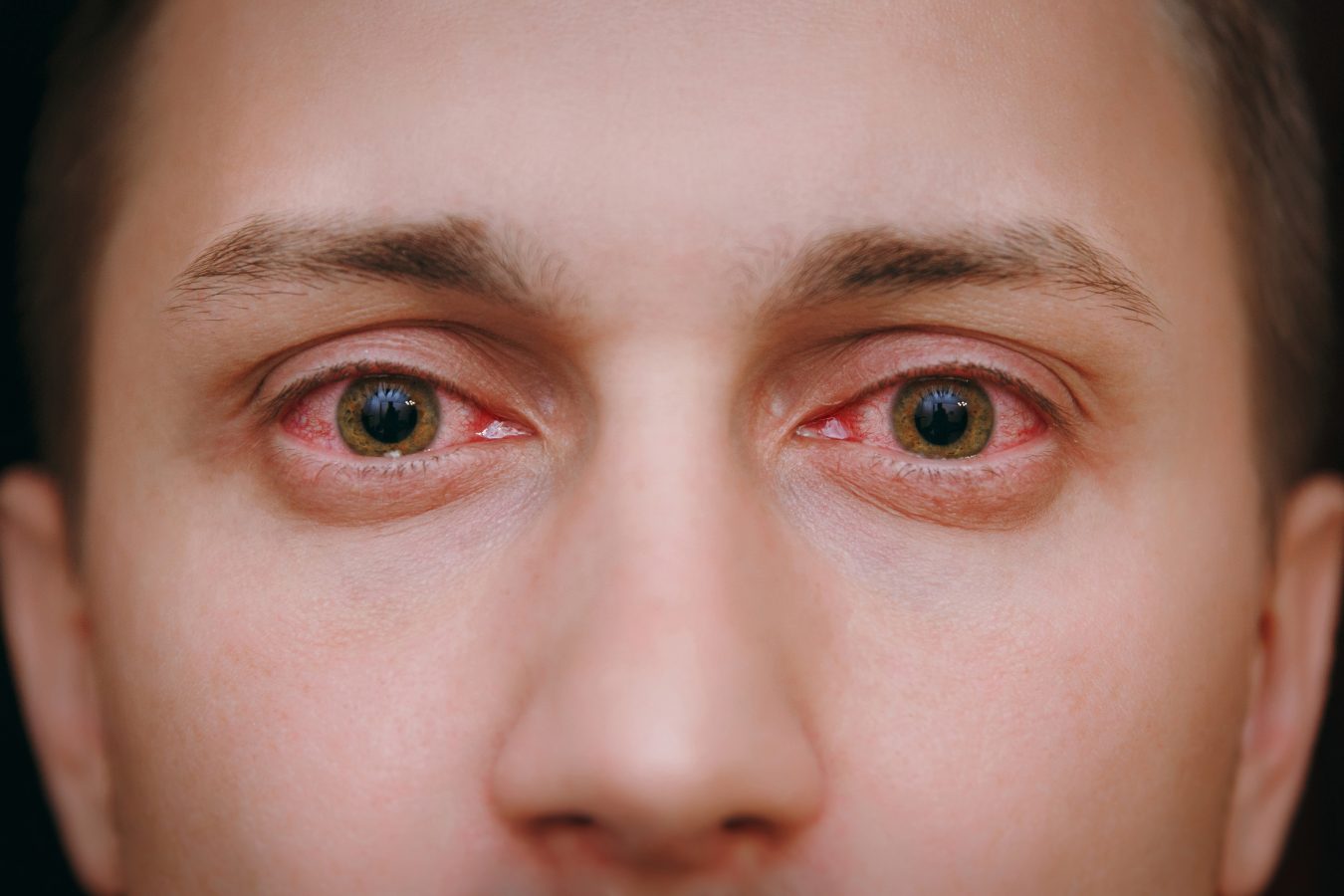
If you wear contact lenses and struggle with itchy, red, or watery eyes, your allergies might not be the only problem—your contacts could be making things worse. Let’s explore how contact lenses interact with eye allergies and what you can do to find relief.
How Contact Lenses Can Worsen Eye Allergies
- Pollen and Allergen Buildup: Contacts can trap allergens like pollen, dust, and pet dander against the eye.
- Reduced Tear Circulation: Contacts cover the eye’s surface, making it harder for natural tears to wash away allergens.
- Lens Deposits: Over time, protein and debris can accumulate on lenses, increasing irritation.
- Dry Eye Exacerbation: Allergies can already lead to dry eyes, and contacts can further reduce moisture, worsening discomfort.
- Reaction to Lens Solutions: Some cleaning solutions contain preservatives that may trigger allergic reactions or irritation.
Tips to Manage Eye Allergies with Contact Lenses
If you have allergies but don’t want to give up your contacts, try these strategies:
- Switch to Daily Disposable Lenses: A fresh pair each day prevents allergen buildup.
- Use Preservative-Free Artificial Tears: These help wash away allergens and keep eyes hydrated.
- Rinse Lenses Thoroughly: If using reusable lenses, clean them well with preservative-free solution.
- Limit Lens Wear on High Pollen Days: Consider wearing glasses instead during peak allergy seasons.
- Try Allergy Eye Drops: Antihistamine or mast cell stabilizer drops can reduce itching, but check with your doctor before using them with contacts.
- Consider a HEPA Air Filter: Filtering indoor air reduces airborne allergens that can irritate your eyes.
FAQ: Contact Lenses and Allergies
Q: Can I wear contacts if I have severe eye allergies?
A: It depends. Some people find that daily disposables help, but others may need to switch to glasses during peak allergy season.
Q: Can allergy drops be used with contact lenses?
A: Some allergy drops are safe for contacts, but others require waiting 10–15 minutes before reinserting lenses. Check with your doctor.
Q: Do certain types of lenses work better for allergy sufferers?
A: Yes! Daily disposables or silicone hydrogel lenses tend to be more comfortable for allergy-prone eyes.
A Personal Story
My patient, Alex, had been dealing with unbearable eye allergies every spring. He relied on reusable contacts, which made things worse. After switching to daily disposables and using preservative-free artificial tears, his symptoms improved dramatically—no more constant eye rubbing!
If your contacts are making your eye allergies worse, small changes can make a big difference. Talk to your doctor about the best lens options and allergy treatments to keep your eyes comfortable year-round.
What are you waiting for? If you or your child need help controlling allergies or if you think you need testing or treatment or that you might be a good candidate for allergy shots, Dr. Wendt and her team staff at Relieve Allergy, Asthma & Hives would love to help. Call for testing or treatment today!
Call 480-500-1902 or request an appointment at https://relieveallergyaz.com/contact now! Begin your allergy testing journey with Dr. Wendt at Relieve Allergy in Scottsdale, Arizona—It’s time to take care of yourself!
Learn more about Dr. Wendt and Relieve Allergy Asthma & Hives at www.relieveallergyaz.com or connect with us: https://www.facebook.com/RelieveAllergy/, https://www.linkedin.com/in/julie-wendt/, https://x.com/RelieveAllergy, https://www.instagram.com/relieve_allergy/ or https://www.youtube.com/@JulieWendt-qx7jm.
Did you know? Dr. Wendt wrote the book on allergies. Buy it NOW!
Relieve Allergy Asthma & Hives is located near Kierland Commons, 21803 N. Scottsdale Road Ste. 200, and has convenient evening and morning hours to accommodate your schedule. Dr. Wendt is also available for telemedicine appointments as appropriate. Most insurance plans are accepted.
DISCLAIMER: This blog is not meant to substitute for medical care by an Allergist-Immunologist nor is it intended to provide medical advice or imply a Physician-Patient relationship with its readers or their family. It is intended to provide guidance, direction, and moral support from someone experienced in testing and treating allergies. This is also not meant to be a “do-it-yourself” manual or a “how to” overcome your allergies. Some of the issues mentioned, whether allergic or look-a-like, can be dangerous or if left unchecked, deadly. Please develop a relationship with a Physician you trust to help you with diagnosis, advice, questions, and treatment regarding your and your family’s medical conditions.
Share this post. Choose your platform:
Search Blog & Pages
Recent Posts