
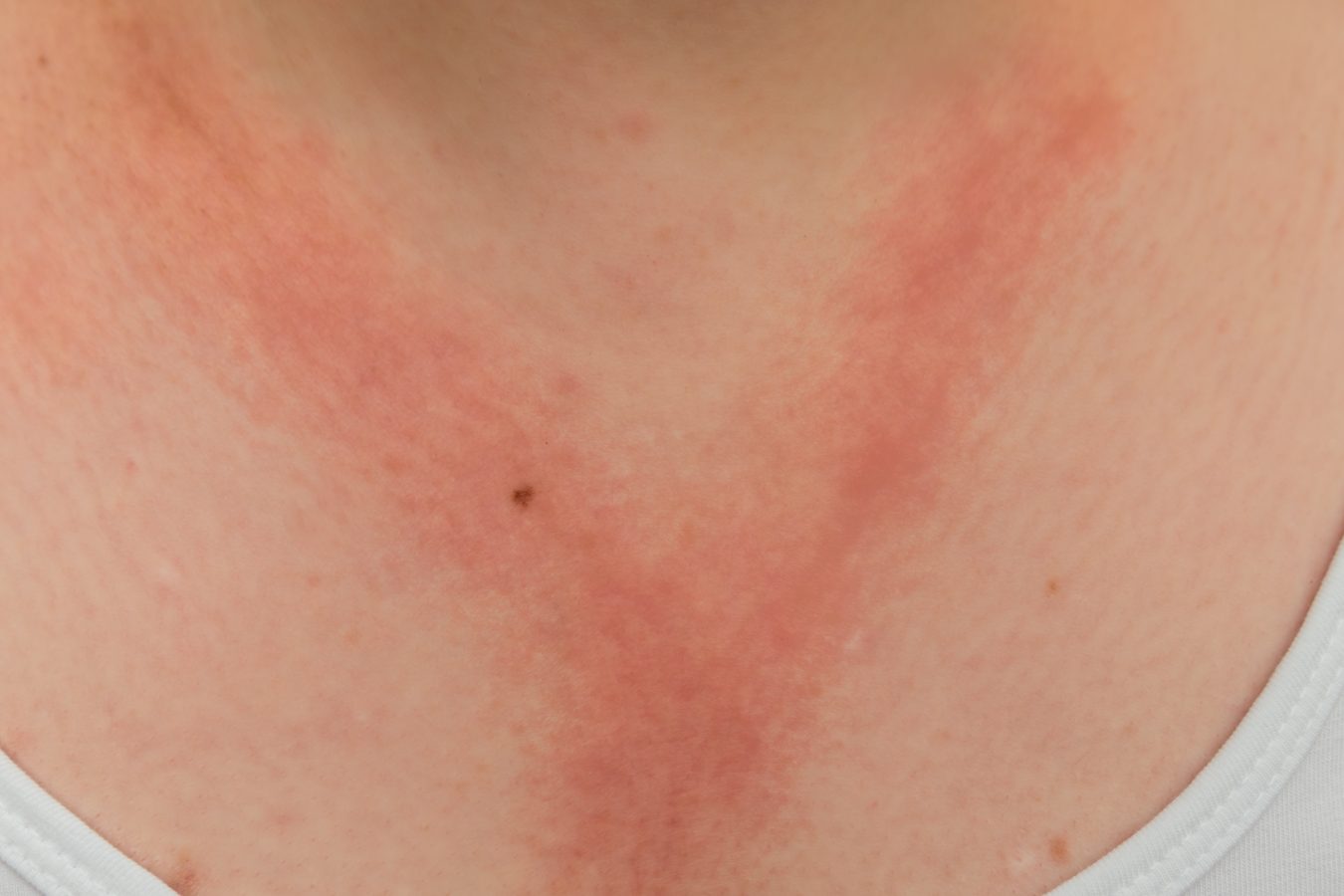
If you’ve ever noticed itchy rashes or red, irritated skin after wearing jewelry or using certain products, you might have a nickel allergy. Nickel is a common metal found in everyday items, and for those who are sensitive, even small exposures can trigger contact dermatitis. Here’s what you need to know about nickel allergy and how to avoid hidden sources of exposure.
Symptoms of Nickel Allergy
✔️ Itchy, red, or blistered skin (especially where metal touches the skin).
✔️ Eczema-like patches that appear days after exposure.
✔️ Skin thickening or darkening over time from repeated contact.
✔️ Rashes near earrings, watches, belt buckles, or metal buttons.
✔️ More severe reactions in highly sensitive individuals.
Everyday Products That Contain Nickel
Nickel is used in many common items, including:
Jewelry & Accessories
- Earrings, rings, necklaces, bracelets
- Watches and metal watchbands
- Belt buckles and eyeglass frames
Clothing & Fasteners
- Metal zippers, buttons, and snaps
- Bra hooks and underwire
- Jean rivets and studs
Electronics & Household Items
- Cell phones, laptops, and tablets
- Keys and keychains
- Coins (especially nickels, dimes, and quarters)
Medical & Personal Care Products
- Some dental fillings and braces
- Eyeglass frames
- Razors and metal-plated cosmetics tools
How to Reduce Nickel Exposure
✔️ Choose nickel-free jewelry – Look for hypoallergenic, surgical-grade stainless steel, platinum, or gold (14K+).
✔️ Apply clear nail polish – Coating metal jewelry can create a protective barrier.
✔️ Use fabric covers on metal buttons and buckles – Prevent direct skin contact.
✔️ Switch to plastic, titanium, or coated eyeglass frames.
✔️ Opt for nickel-free razors and cosmetics – Some beauty products contain trace nickel.
✔️ Use protective cases for electronics – Avoid skin contact with metal surfaces.
FAQ: Living with Nickel Allergy
Q: Can nickel allergy be cured?
A: No, but avoiding exposure prevents symptoms.
Q: Is stainless steel safe for nickel allergy?
A: Some stainless steel contains nickel, so look for surgical-grade (316L) stainless steel.
Q: Are there foods that contain nickel?
A: Yes! Chocolate, nuts, seeds, and some whole grains naturally contain nickel. In severe cases, a low-nickel diet may help.
A Personal Story
One of my patients, Lisa, developed an itchy rash on her ears and neck after wearing costume jewelry. Patch testing confirmed a nickel allergy. After switching to nickel-free jewelry and using clear nail polish on metal clasps, her symptoms disappeared.
The Bottom Line
Nickel is everywhere, but small changes in your daily routine can prevent reactions. If you suspect a nickel allergy, patch testing with an allergist can confirm the diagnosis, and taking the right precautions can help you avoid unnecessary irritation!
What are you waiting for? If you or your child need help controlling allergies or if you think you need testing or treatment or that you might be a good candidate for allergy shots, Dr. Wendt and her team staff at Relieve Allergy, Asthma & Hives would love to help. Call for testing or treatment today!
Call 480-500-1902 or request an appointment at https://relieveallergyaz.com/contact now! Begin your allergy testing journey with Dr. Wendt at Relieve Allergy in Scottsdale, Arizona—It’s time to take care of yourself!
Learn more about Dr. Wendt and Relieve Allergy Asthma & Hives at www.relieveallergyaz.com or connect with us: https://www.facebook.com/RelieveAllergy/, https://www.linkedin.com/in/julie-wendt/, https://x.com/RelieveAllergy, https://www.instagram.com/relieve_allergy/ or https://www.youtube.com/@JulieWendt-qx7jm.
Did you know? Dr. Wendt wrote the book on allergies. Buy it NOW!
Relieve Allergy Asthma & Hives is located near Kierland Commons, 21803 N. Scottsdale Road Ste. 200, and has convenient evening and morning hours to accommodate your schedule. Dr. Wendt is also available for telemedicine appointments as appropriate. Most insurance plans are accepted.
DISCLAIMER: This blog is not meant to substitute for medical care by an Allergist-Immunologist nor is it intended to provide medical advice or imply a Physician-Patient relationship with its readers or their family. It is intended to provide guidance, direction, and moral support from someone experienced in testing and treating allergies. This is also not meant to be a “do-it-yourself” manual or a “how to” overcome your allergies. Some of the issues mentioned, whether allergic or look-a-like, can be dangerous or if left unchecked, deadly. Please develop a relationship with a Physician you trust to help you with diagnosis, advice, questions, and treatment regarding your and your family’s medical conditions.
Share this post. Choose your platform:
Search Blog & Pages
Recent Posts